Melissa: The Artisanal Calligraphy Font with a Human Touch
In a digital landscape saturated with sterile, geometric typefaces, there's a growing hunger for designs that feel personal, crafted, and authentically human. This is precisely the space where the Melissa typeface excels. It’s not just another script font; it’s a carefully engineered piece of artisanal penmanship designed to bring warmth, sophistication, and an effortless charm to your projects. Think of it as the typographic equivalent of a handwritten note on premium stationery—it immediately elevates the message and creates a connection.
Understanding the Flow: More Than Just Pretty Letters
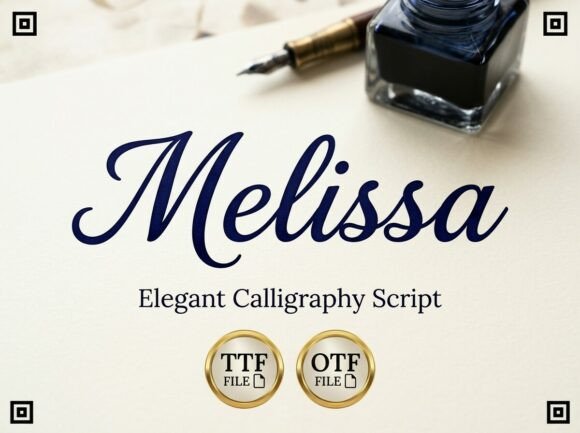
What sets Melissa apart from a generic handwritten font or a standard script font is its intelligent design. While it mimics the fluid, rhythmic flow of a calligrapher’s pen, it does so with a precision that ensures legibility. The connections between letters are sophisticated and intentional, avoiding the tangled, hard-to-read loops that plague many decorative scripts. This creates a balanced "human touch" that feels intimate without sacrificing professionalism.
Visually, Melissa features sweeping ascenders—the tall parts of letters like 'h' and 'l'—that give the typeface a sense of movement and elegance. The terminals, or the ends of the strokes, are clean and crisp. This combination produces a subtle visual "vibration" on the page or screen, making text feel spontaneous yet timeless. It’s a premium font that doesn’t scream for attention but rather commands it through quiet confidence. For designers working on brand identity, this quality is invaluable. It allows a brand to convey luxury, care, and personality all at once.
Where Melissa Truly Shines: Practical Applications
The versatility of Melissa makes it a powerful design asset across a wide range of projects. Its strengths lie in applications where personality and first impressions are critical. Here’s where you’ll find it works best:
- Signature-Style Logos and Personal Branding: For entrepreneurs, coaches, artists, and influencers, a logo sets the tone. Melissa is ideal for creating a signature-style logo that feels authentic and bespoke. It helps build a brand identity that is recognizably personal, which is crucial for building trust and audience engagement.
- Luxury Product Mastheads and Packaging Design: In the world of high-end goods—whether it’s artisanal chocolates, boutique perfumes, or handcrafted jewelry—packaging is part of the product. Melissa’s elegant flow works beautifully on mastheads, labels, and box designs, instantly communicating quality and craftsmanship. It pairs wonderfully with a clean sans serif font for body text, creating a perfect contrast.
- High-End Photography Watermarks: Photographers need a watermark that protects their work without being an eyesore. Melissa’s delicate, rhythmic flow is subtle enough not to distract from an image, yet distinctive enough to be recognized. It adds a professional, studio-quality touch to digital portfolios and client proofs.
- Editorial and Web Design: While not suited for long body paragraphs, Melissa is a superb display font for headers, pull quotes, and subheadings in editorial design and web design. It can break up the monotony of a serif font or sans serif font block, guiding the reader’s eye and adding visual interest to blogs, magazines, and landing pages.
Integrating Melissa into Your Design Workflow
Choosing the right typeface is a strategic decision. When considering Melissa for a project, think about the message you want to send. Its personality is warm, sophisticated, and slightly romantic. It’s perfect for brands targeting adults who appreciate quality and aesthetics, such as those in the wedding, beauty, lifestyle, or artisanal food industries. However, it might feel out of place for a tech startup aiming for a stark, minimalist vibe.
A key part of using any creative font effectively is testing font pairing. Melissa’s flowing script nature means it needs a stable, grounded partner. A simple, geometric sans serif font like Montserrat or Lato makes an excellent companion for body copy, ensuring your content remains highly readable. For a more classic, editorial feel, pairing it with a timeless serif font like Garamond or Times New Roman can create a beautiful hierarchy. Always test your pairings at the actual sizes they’ll be used to ensure clarity.
Before finalizing, review the font’s included styles. Does it come with alternates or ligatures? These additional characters can help you customize the look and avoid repetitive letter forms, making your typography feel even more handcrafted. Finally, if your project is for commercial use—a client’s logo, a product for sale, or a monetized blog—ensure you have the correct commercial font license. This protects both you and the font designer and is a non-negotiable part of professional practice.
In summary, Melissa is more than just a modern typography trend. It is a versatile tool for anyone looking to inject authenticity and elegance into their visual communication. By understanding its characteristics and applying it thoughtfully, you can leverage this typeface to create designs that are not only beautiful but also strategically effective, helping your projects—and your clients—stand out with genuine, crafted charm.